Account
Cart
Search

All Foot Skin Conditions

(29 products)

All Foot Skin Conditions FAQs

What is the difference between a corn and a callus?

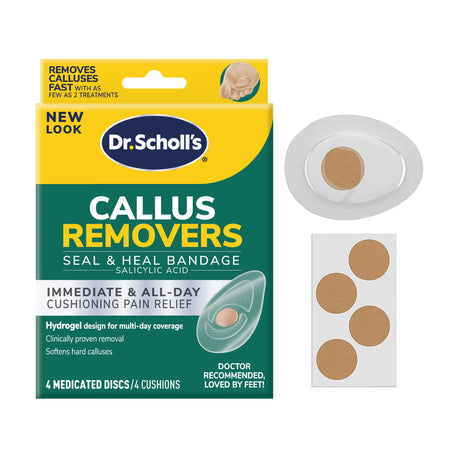
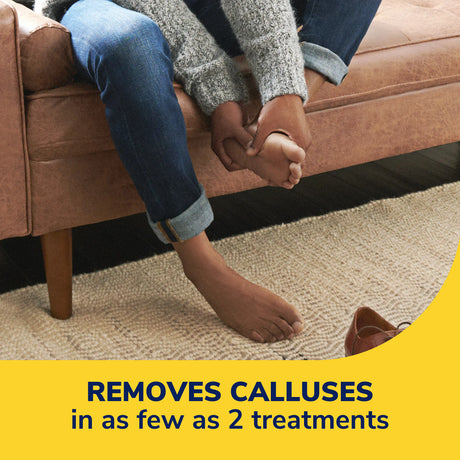
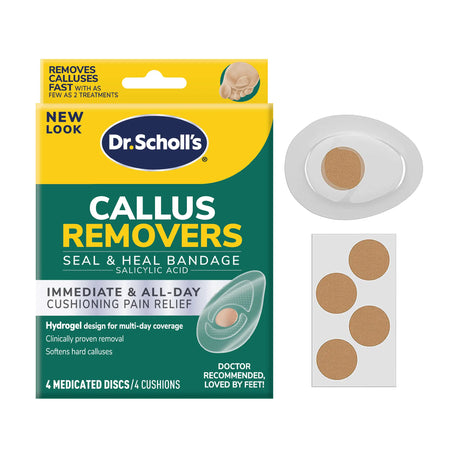
Both corns and calluses are thickened skin caused by friction or pressure. Corns are small, often cone-shaped, and usually form on or between the toes. Corns contain a core that often causes pain when pressure is applied. Calluses are larger, flatter areas of thickened skin that usually form on the heel or ball of the foot. While many calluses are painless, some can become tender when there’s pressure.

How do Dr. Scholl's corn removers work?

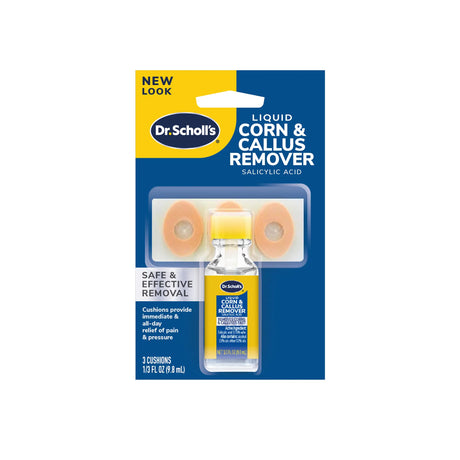
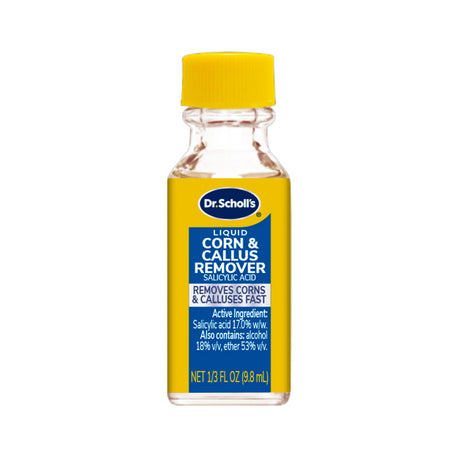
Dr. Scholl's offers several different corn removal options, but each option uses salicylic acid to soften and exfoliate the layers of dead, hardened skin that form the corn. This process allows the corn to be removed. Some products include a medicated disc treated with salicylic acid along with a cushion or bandage to protect the area. There is also a product that contains salicylic acid in a treatment liquid. The liquid can be applied directly to the corn. The product also contains pain-relieving cushions. 

How can I tell if I have a wart or a corn?

If you have a skin growth on your foot, it may be difficult to tell if it’s a corn or a wart. Corns typically form on the tops of toes or in between toes. They form because of pressure from shoes. Plantar warts typically form on the soles of the feet. However, common warts can form around and in between the toes. Corns are usually hard, thick bumps that are either yellow or white. Warts are rough, flesh-colored and grainy. Corns can cause pain if you press down directly on the growth. Warts can be sensitive if they’re squeezed or if you press along the sides. If you have a skin growth and you’re not sure what it is, see your doctor.

How does Freeze Away Wart Remover work?

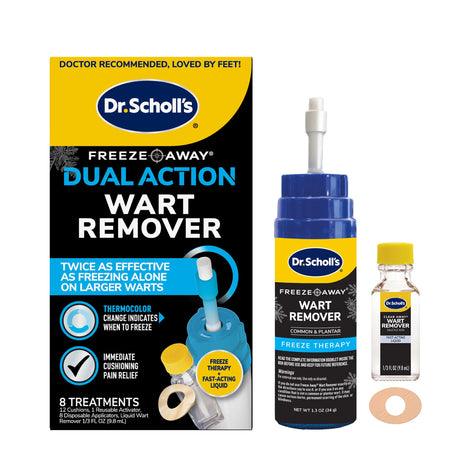
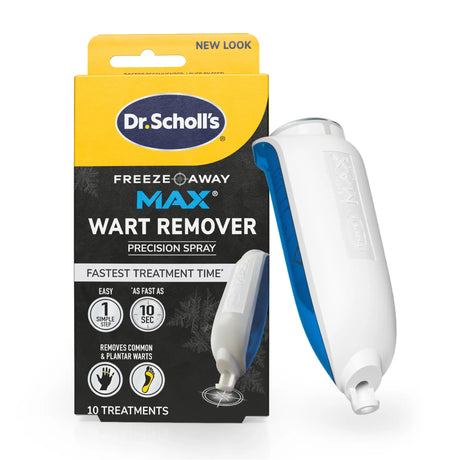
Freeze Away Wart Remover works by rapidly freezing the wart using the same freeze therapy used by some medical professionals. The wart then falls off and your body then replaces the wart tissue with new, healthy skin. This product can remove warts in as little as one treatment.

What is a plantar wart?

A plantar wart is a wart that forms on the sole of the foot. Because plantar warts experience pressure anytime you’re on your feet, they can be painful. 

How can I stop foot odor?

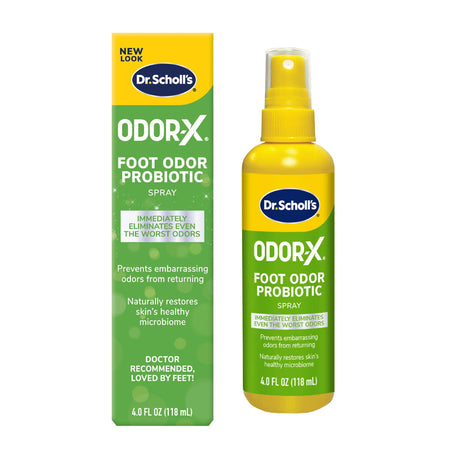
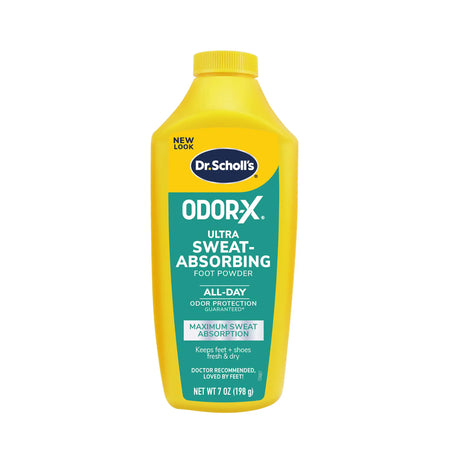
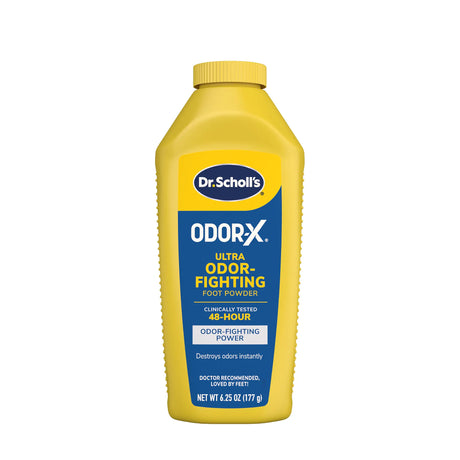
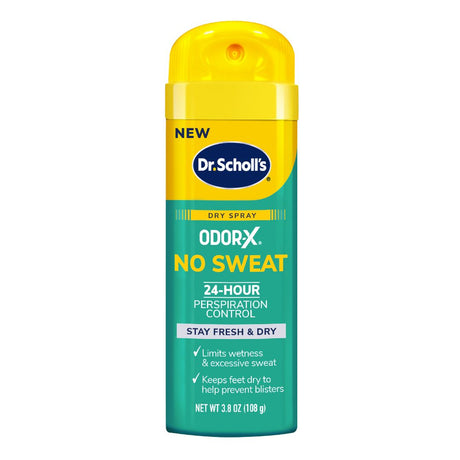
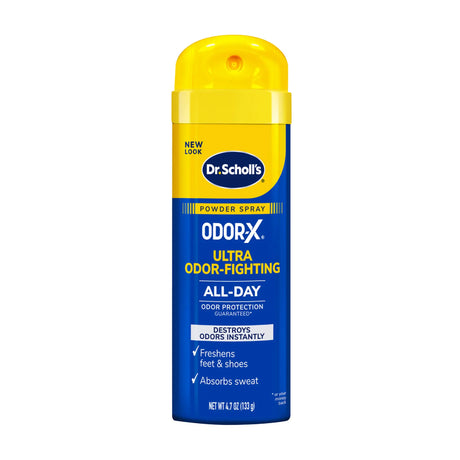
In order to stop foot odor, keep feet clean and dry, change socks daily, and let shoes air out. Odor-X foot powders and sprays help absorb sweat and fight odor. You can apply these products directly to the feet, and they can also be used on shoes and socks for extra protection against odors.

What helps dry, cracked skin on the feet?

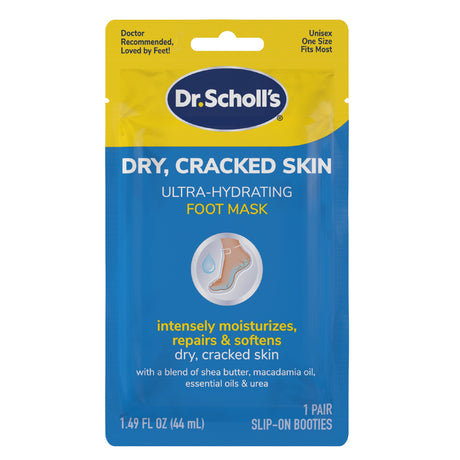
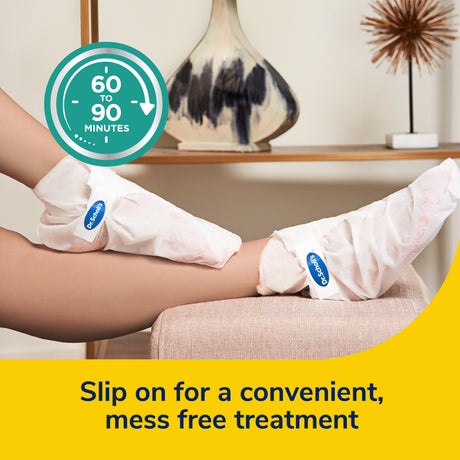
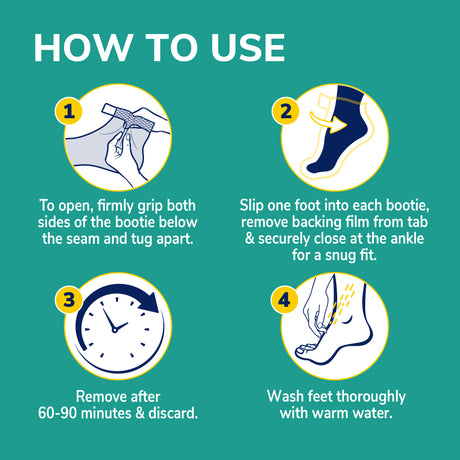
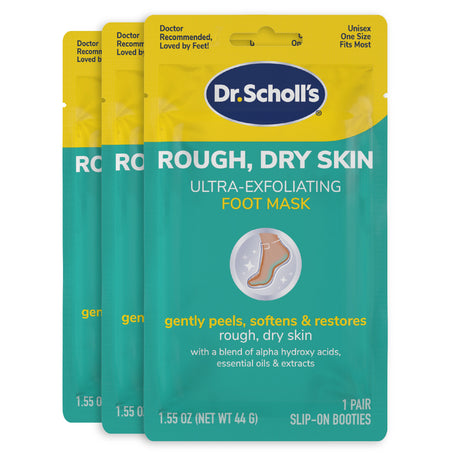
There are many things that can help dry, cracked skin on the feet. Wash the feet in lukewarm water, wear closed-back shoes and drink plenty of water. Regular moisturizing can also help. The Dry, Cracked Foot Repair Ultra-Hydrating Foot Cream and the Dry, Cracked Skin Ultra-Hydrating Foot Mask both contain urea and essential oils to hydrate and soften dry skin. You might also consider regularly exfoliating your feet to eliminate the buildup of dead skin, which can lead to cracks. However, it’s important not to exfoliate cracked skin directly.

What is moleskin used for?

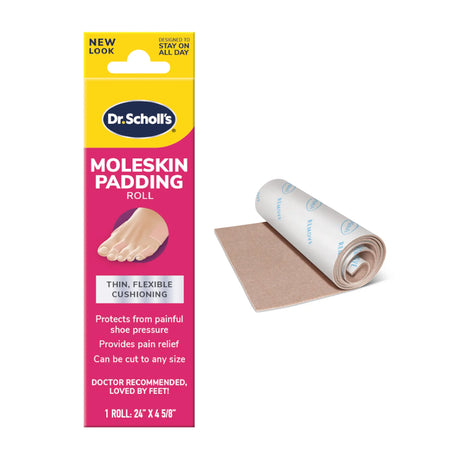
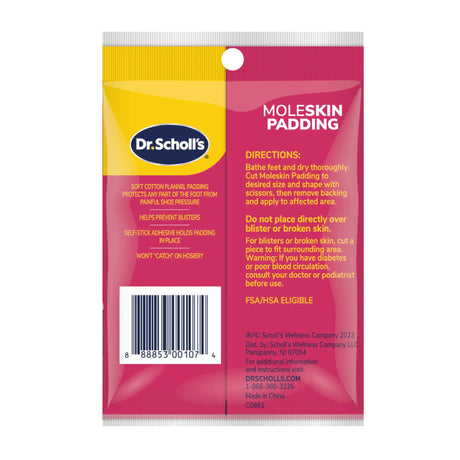
Moleskin is a thin, soft padding that protects skin from friction and pressure when wearing shoes. It can be cut into various sizes and shapes. You can then directly apply the pieces to any areas of the foot that often experience pressure and rubbing. Moleskin can be used to help minimize the risk of blisters.

Can I use corn or wart removers if I have diabetes?

Talk to your doctor before using any kind of medicated corn, callus or wart removers if you have diabetes or poor circulation. Foot injuries can be more serious if you have these conditions, so professional care is recommended.

When should I see a doctor about a foot skin problem?

If you have a foot skin problem, you may be able to address the issue at home with over-the-counter products. However, there are times when it’s necessary to see a doctor. Seek medical guidance if you have a skin growth that bleeds, changes color or shape, spreads, looks infected, or does not improve after completing treatment as directed. People with diabetes or poor circulation should seek medical advice for any foot skin concern.
Treatments for Common Foot Skin Conditions

The skin on your feet works harder than almost any other skin on your body. It feels the full force of your weight, experiences pressure and friction from shoes all day, and spends hours in warm, closed spaces. That makes feet prone to a range of common skin conditions, from corns and calluses to warts, dry skin and odor. Many foot skin conditions can be treated at home with the right product. This collection brings together Dr. Scholl's treatments for some of the most common skin conditions affecting the feet, so you can find a solution for your needs and concerns. 

Corns and Calluses

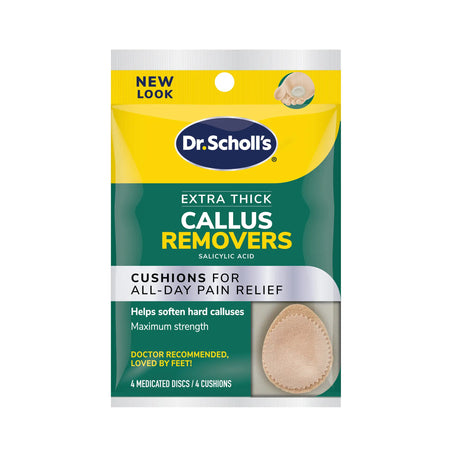
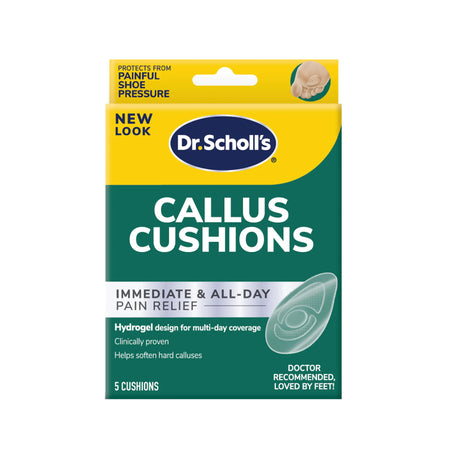
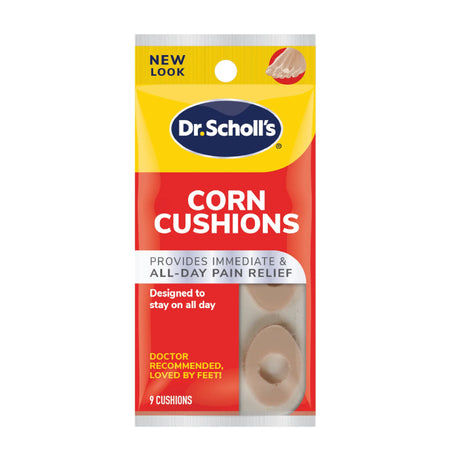
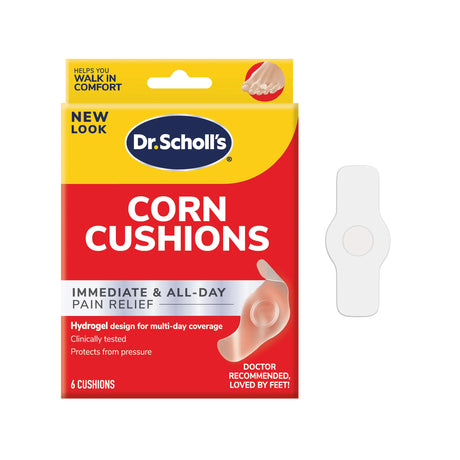
Even though they’re not exactly the same thing, both corns and calluses are patches of thick, hardened skin that form as a result of friction of pressure, most commonly from shoes. Corns are small and often form on or between the toes, while calluses are larger and form most often on the heel or ball of the foot. Corns can be painful, especially when you’re wearing shoes. Corn Cushions can protect tender corns from shoe pressure. The ring-shaped cushions are designed to surround the corn so that it doesn’t press directly against the shoe. The cushions are designed to last all day. Another option is Corn Cushions with Hydrogel Technology. The gel cushioning is thin and flexible to protect corns without bulk. The bandage is water resistant and can stay in place for days. 

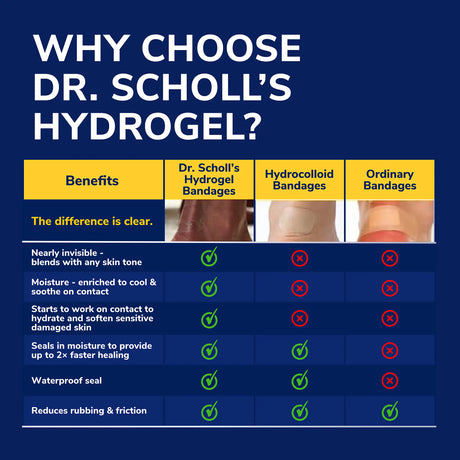
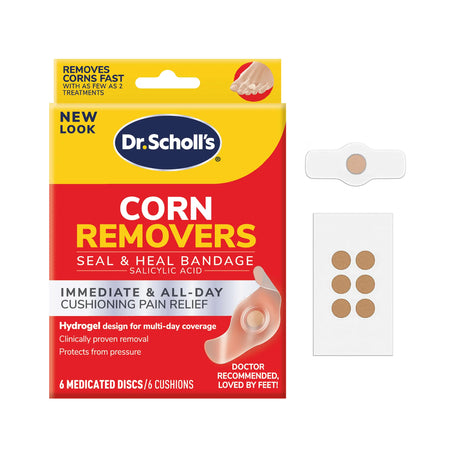
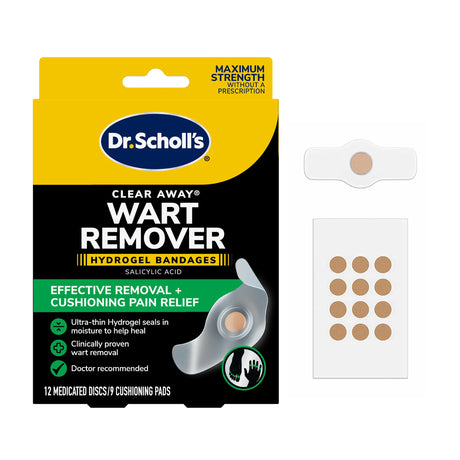
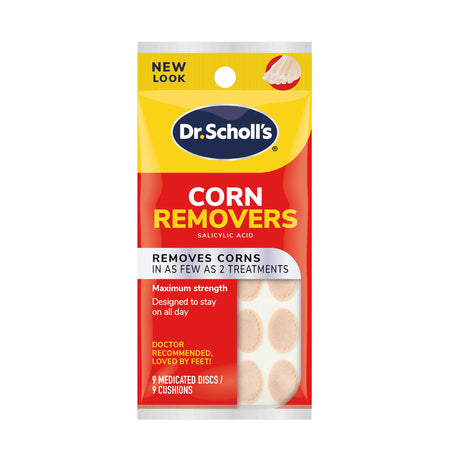
If you want to remove your corns while you shield them against pressure, you have several options. The One Step Corn Removers feature 40% salicylic acid to exfoliate the corn. The medication is infused into a bandage, making it easy to treat your corn throughout the day. If you want to remove your corn while also protecting it from painful shoe contact, consider Corn Removers Soft Felt Pads. This product consists of discs medicated with salicylic acid and soft protective pads. You’ll need to first place a disc on the corn and then cover the corn with the cushioning pad. The pad is designed to stay in place all day. Another option for treating and protecting is the Corn Removers Seal & Heal Bandage with Hydrogel Technology. This is also a two-part system. You’ll get medicated discs but instead of felt pads, the product includes flexible, hydrogel bandages that create a protective seal around the corn. This helps guard against friction and pressure. These bandages are also water and sweat resistant, and they stay in place for up to several days.