Popping a blister is not usually advised, as long as it’s not causing pain. Some doctors may recommend draining a blister if it’s unusually large, it’s painful or if it’s in a problematic area. If you decide to drain a blister, follow these steps to reduce the risk of infection and skin damage:
1. Wash the blister and surrounding skin thoroughly with soap and water.
2. Sterilize a needle using rubbing alcohol.
3. Using the needle, carefully pierce the blister at the edge, creating a single, small hole.
4. Gently press on the blister to allow the fluid to drain out through the hole.
5. Apply an antibiotic ointment to minimize the risk of infection.
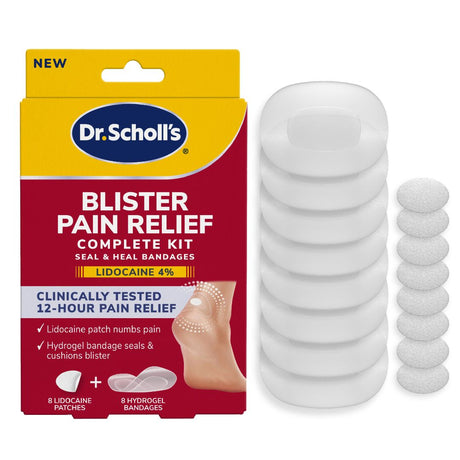
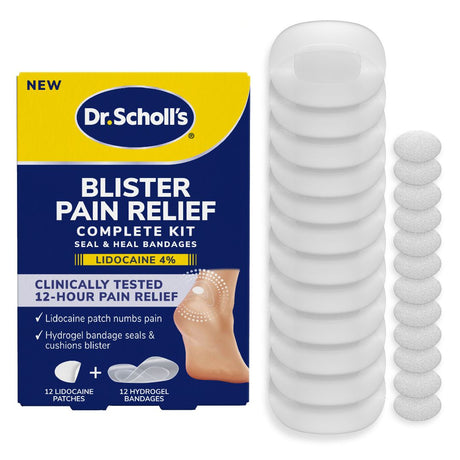
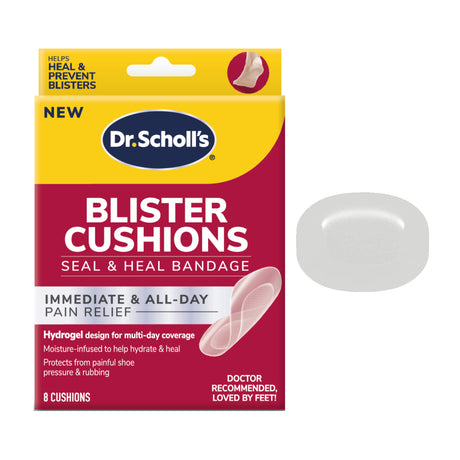
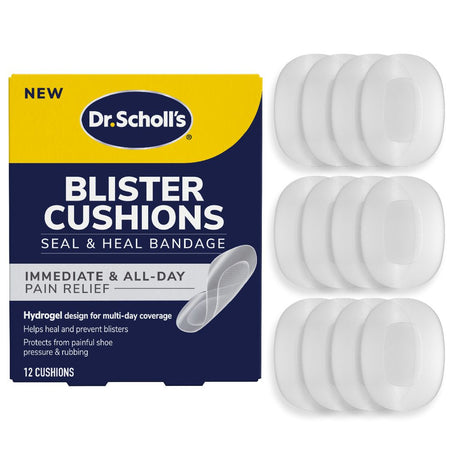
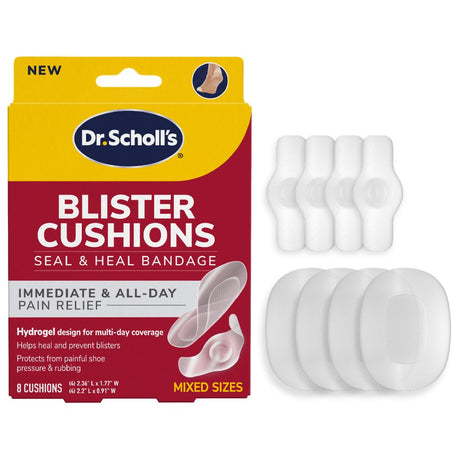
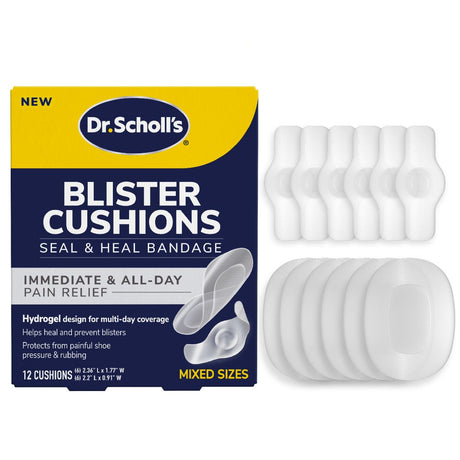
6. Cover the blister with a sterile bandage. For faster healing, try Dr. Scholl's Blister Cushions. Unlike ordinary bandages, these blister cushions are designed specifically for blisters. They hold moisture in to speed healing while providing long-lasting comfort.
Contact your doctor if you notice any sign of infection, including colored discharge or pus, red, inflamed skin or a hot sensation.








 Regular price $5.99Unit price


 Regular price $5.99Unit price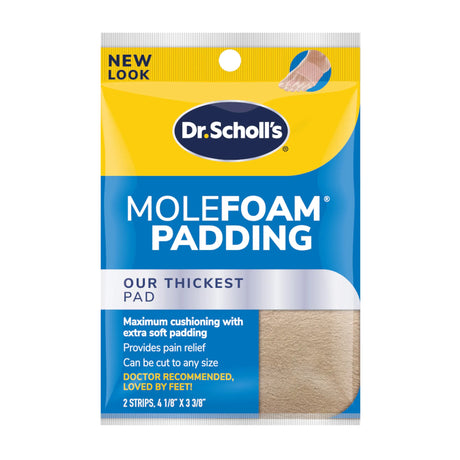


 Regular price $5.99Unit price


