Account
Cart
Search

Plantar Fasciitis Pain Relief

(6 products)

Plantar Fasciitis Pain Relief FAQs

What is plantar fasciitis?

Plantar fasciitis is a condition where the plantar fascia, a band of tissue that connects the heel bone to the toes, becomes injured, overstretched or inflamed. The condition can cause pain, most often in or around the heel of the foot.

What causes plantar fasciitis?

Plantar fasciitis falls into a category of injuries referred to as overuse Injuries. The risk of plantar fasciitis increases with physical activity, especially when the activity occurs suddenly. The risk also greatly increases when there’s movement over hard and uneven terrain. A number of factors can contribute to the development of plantar fasciitis, including: 

Physical activity – Athletic activities that exert force and pressure on the foot can lead to plantar fasciitis. The condition is most commonly associated with high-impact sports that involve running and jumping.

Improper footwear – Wearing the wrong type of shoe during physical activity can contribute to plantar fasciitis. Improper shoes lack good arch support and cushioning. This can leave the feet vulnerable and unprotected against forceful impact. 

Excess body weight – When someone is carrying too much weight, the feet are forced to absorb additional shock. This can play a role in the development of plantar fasciitis.

Overpronation – When the natural movement of pronation is exaggerated during walking and running, the plantar fascia can become overstretched, possibly leading to pain and inflammation.

Abnormal foot structure – Arches that are high or flat can alter body alignment, potentially putting additional stress on the plantar fascia. 

Hard surfaces – Standing, walking or running on hard surfaces can increase the risk of plantar fasciitis.

How to help prevent pain from plantar fasciitis?

You can help prevent pain from plantar fasciitis in a number of ways.

• Limit the number of days and the amount of time you spend participating in high-impact activities in order to avoid excess stress on the feet. Take breaks in between high-impact workouts by incorporating days of rest into your routine or choosing a low-impact activity in between days of high-impact activity.

• Avoid walking barefoot on hard surfaces.

• Wear shoes with good arch support and cushioning. Choose shoes specifically designed for your intended activity.

• Consider wearing a night splint in order to prevent pain when standing first thing in the morning. Night splints keep the foot slightly flexed while gently stretching the plantar fascia.

• Before working out, consider taping your foot in order to limit the stretching and movement that can lead to plantar fasciitis pain. Be sure to use rigid athletic tape that offers a little bit of stretch.

• Use orthotics or inserts in your shoes for added support and shock absorption. There are a number of effective options.


Since plantar fasciitis is a common problem among runners, Dr. Scholl’s® Performance Sized to Fit Running Insoles were designed to provide superior support and cushioning just for runners. The insoles reduce impact on the feet, minimizing the risk of pain from plantar fasciitis. 


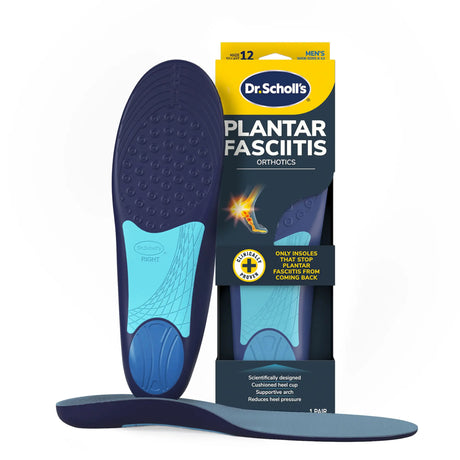
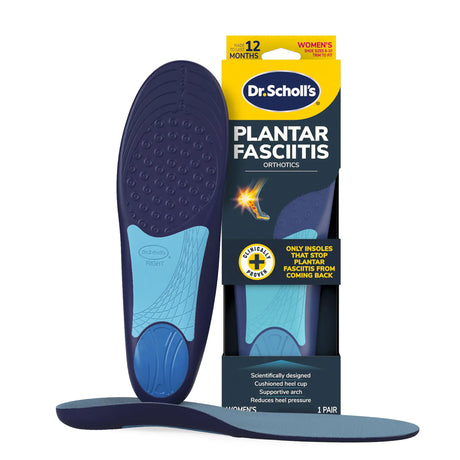
Dr. Scholl’s® Plantar Fasciitis Pain Relief Sized to Fit Insoles are specially designed for those with plantar fasciitis. The insoles feature targeted arch support in order to absorb shock and reduce overstretching of the plantar fascia. Wear these insoles daily in order to prevent plantar fasciitis pain from returning.

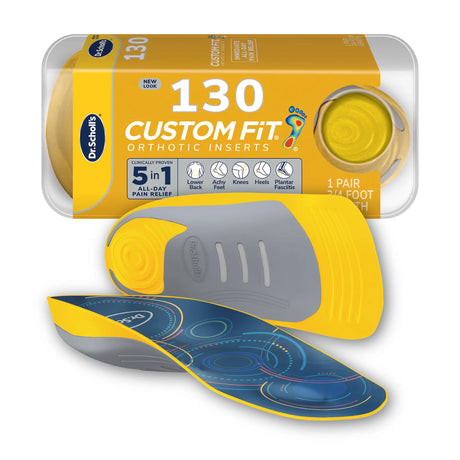
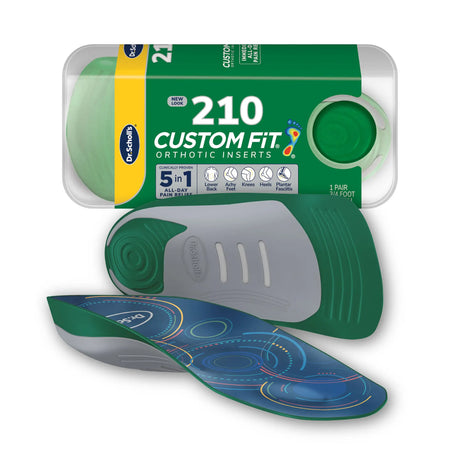
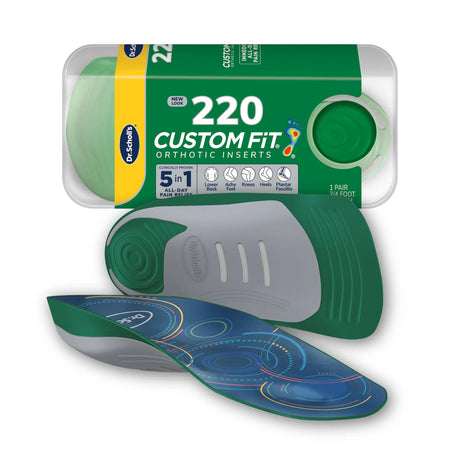
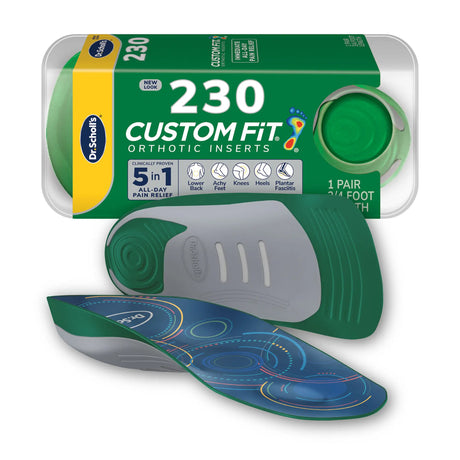
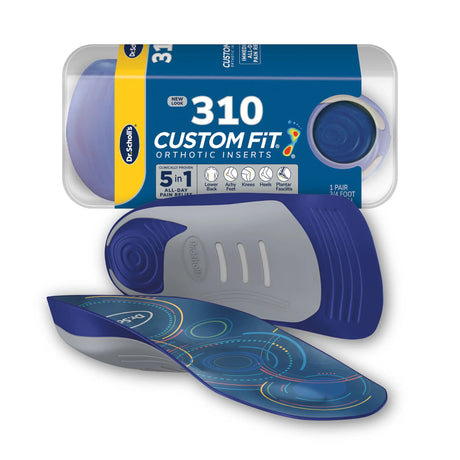
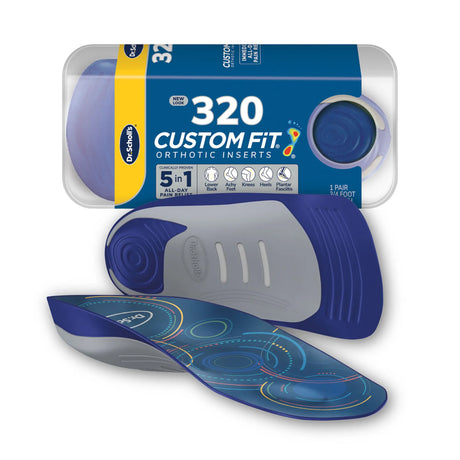
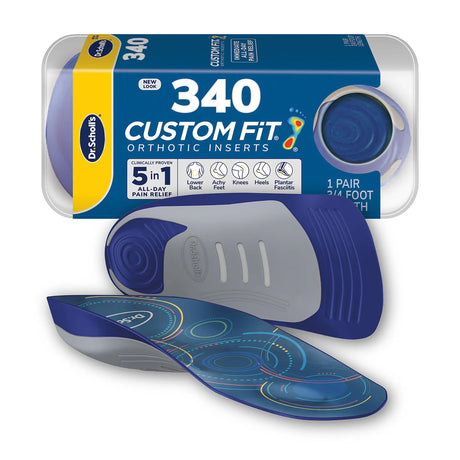
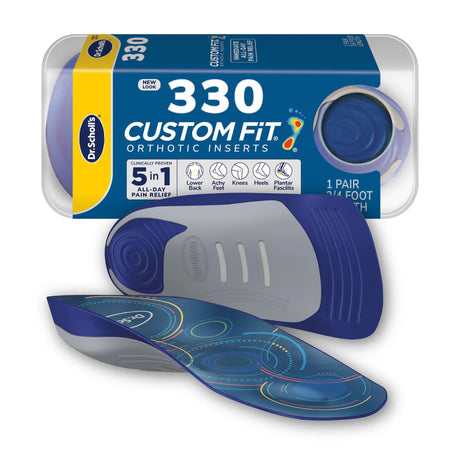
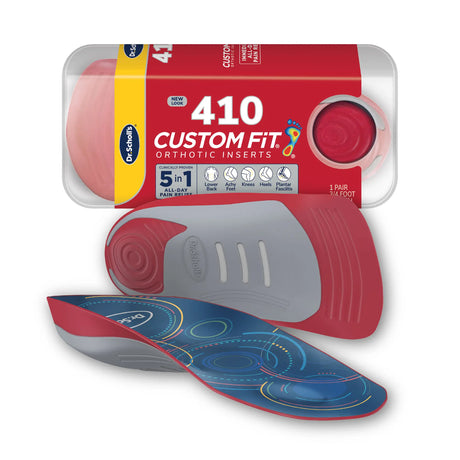
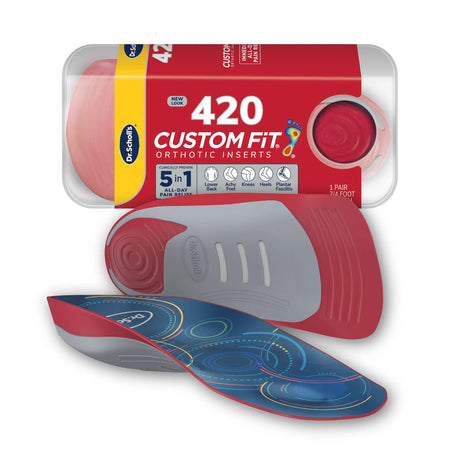
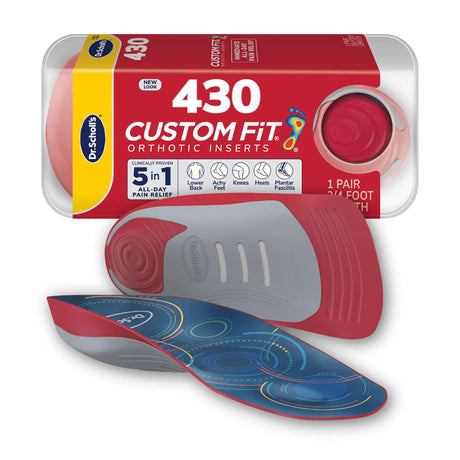
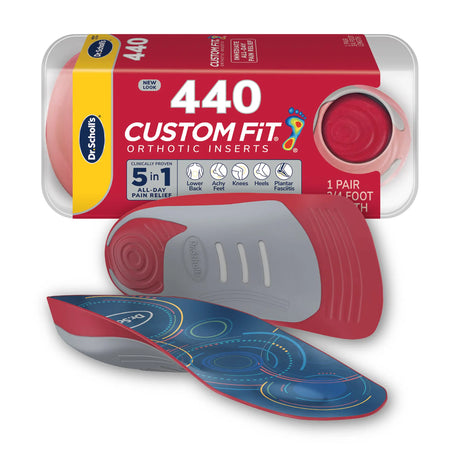
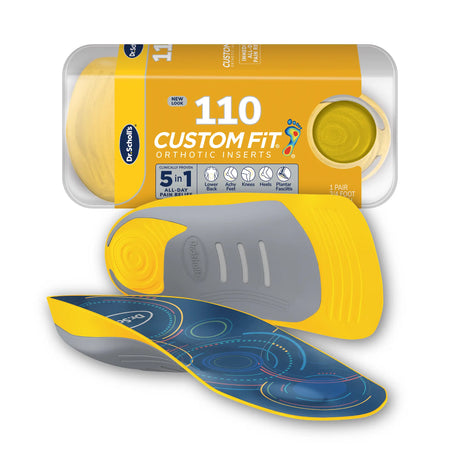
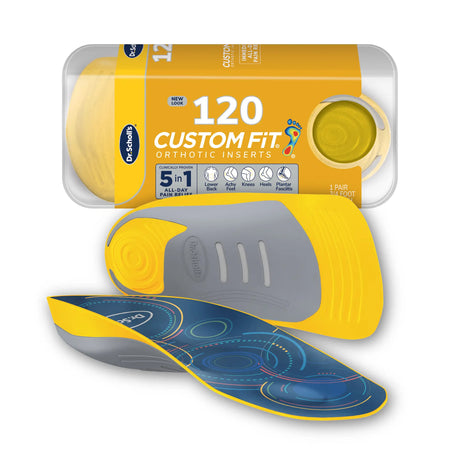
You can get over-the-counter orthotics made just for you with Dr. Scholl’s® Custom Fit® Orthotics. Step on a Custom Fit® Kiosk for tailor-made orthotics catered to your foot size and arch as well as your weight and pressure points.

How to relieve plantar fasciitis pain?

There are a number of ways to relieve plantar fasciitis pain. Doctors usually recommend conservative at-home remedies as a first step in reducing pain. These include:

• Rest — You may need to give your foot a chance to heal by avoiding high-impact exercise for a period of time. Consider low-impact athletic activities such as swimming and cycling until your pain resolves.

• Ice — Cold therapy can help ease the inflammation that causes pain. You can apply ice to the bottom of the foot three or four times a day for 15 to 20 minutes at a time. Cover your foot with a sock or thin layer of fabric when icing to protect the skin.

• OTC NSAIDs — Over-the-counter non-steroidal anti-inflammatory drugs such as aspirin, ibuprofen and naproxen can help relieve both pain and inflammation associated with plantar fasciitis.

• Stretching exercises — A physical therapist can recommend a number of different stretching exercises to help relieve discomfort from plantar fasciitis. 


See your doctor if you don’t get relief from plantar fasciitis pain after trying at-home remedies. You may require stronger treatments, including:

• Prescription medications – When over-the-counter NSAIDs aren’t effective, your doctor may prescribe stronger pain relievers or anti-inflammatory medications.

• Cortisone shots – A doctor can administer steroid injections in order to reduce inflammation from plantar fasciitis.

• Surgery – In rare cases of severe plantar fasciitis, surgery may be recommended. 

Recovering from plantar fasciitis requires patience. It can take months to a year for the plantar fascia to heal. Healing time will vary depending on severity, mitigating efforts and individual health factors. Ask your doctor if you have concerns or questions.

What does plantar fasciitis feel like?

With plantar fasciitis, pain is most commonly felt in and around the heel. In some cases, the pain can radiate to other areas of the foot, most commonly in the arch. The pain may be sharp or stabbing, or it can be a dull ache. The pain is often most pronounced in the morning after first putting weight on the affected foot.

Can I exercise if I have plantar fasciitis?

You may be able to exercise if you have plantar fasciitis, but it’s best to modify your routine, especially if the condition was caused by high-impact activity. It can be helpful to choose low-impact sports, such as swimming and cycling in lieu of sports that put considerable stress on the feet, such as running. You can also onsider reducing the frequency and duration of your high-impact workouts.
Why is plantar fasciitis pain worse in the morning?

Plantar fasciitis pain tends to be worse in the morning because during long periods of rest, the plantar fascia tightens up. When you first step out of bed, the plantar fascia stretches suddenly. This can cause intense pain.
How do topical pain patches work for foot pain?

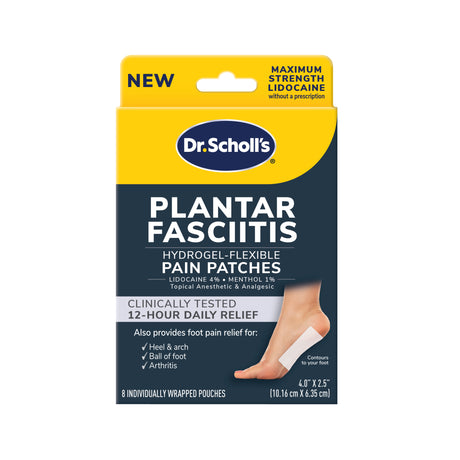
Topical pain patches, such as Dr. Scholl’s® Plantar Fasciitis Pain Patches with Hydrogel Technology, combine numbing lidocaine with cooling menthol to reduce pain. The hydrogel system conforms to the foot, keeping the patch in place to provide relief for up to 12 hours. These patches can be used for plantar fasciitis pain, as well as other types of foot pain, such as heel and arch pain, ball of foot pain and foot pain due to arthritis.

Managing Plantar Fasciitis Pain

The most common symptom of plantar fasciitis is pain under and along the heel. In some cases, the pain is a sharp, stabbing sensation. In other cases, it’s a dull ache. The pain is typically worse first thing in the morning when stepping out of bed and putting weight on the affected foot. This is because during periods of rest, the plantar fascia tightens up. When you stand up suddenly, the plantar fascia stretches abruptly, and this can cause significant pain.

It’s often possible for plantar fasciitis to resolve using conservative, at-home care. This includes:

Rest:
Plantar fasciitis is often an overuse injury. The condition is common in athletes who regularly run and jump. If you have plantar fasciitis, it’s important to allow the plantar fascia to heal. You may need to take a break from high-impact sports and workouts.

Insoles and orthotics: Consider enhancing your footwear with insoles or orthotics. These devices can provide additional benefits when they’re worn with high-quality shoes. There are several good options that are available over the counter:

Dr. Scholl's® Advanced Pain Relief Plantar Fasciitis Orthotic Insoles are the ultimate pain-relieving insole. These orthotic insoles feature three layers of cushioning, targeted arch support and shock-absorbing capabilities to provide both immediate and long-lasting pain relief from a variety of different issues, including plantar fasciitis.

Dr. Scholl's® Plantar Fasciitis All-Day Pain Relief Orthotics help reduce pressure and absorb shock. They can help provide immediate relief from plantar fasciitis while minimizing the risk of the pain returning.

Dr. Scholl's® Plantar Fasciitis Pain Relief Sized to Fit Insoles provide shock absorption and cushioning while reducing the risk of injury by keeping the plantar fascia from stretching too much.